October 8, 2026
Finding dependable care for a companion animal during travel is one of the most critical responsibilities a pet owner faces. Selecting between different professional supervision methods requires careful consideration of your animal's unique temperament, health needs, and daily habits. The primary choices available to modern pet owners are specialized facilities and personalized individual care, both of which offer distinct structural benefits. Making the right selection guarantees that your companion remains safe, healthy, and emotionally secure while you are away from home.
To make an informed decision, owners must analyze how various environments impact an animal's stress levels and daily routines. While some animals thrive in dynamic environments surrounded by peers, others require the quiet predictability of their normal home surroundings. Evaluating these core behavioral traits alongside practical considerations such as scheduling and budget will guide you toward the ideal solution. Understanding the full scope of available professional services ensures that your animal receives attentive, top-tier care tailored to their specific lifestyle.
Analyzing Facility Care Features
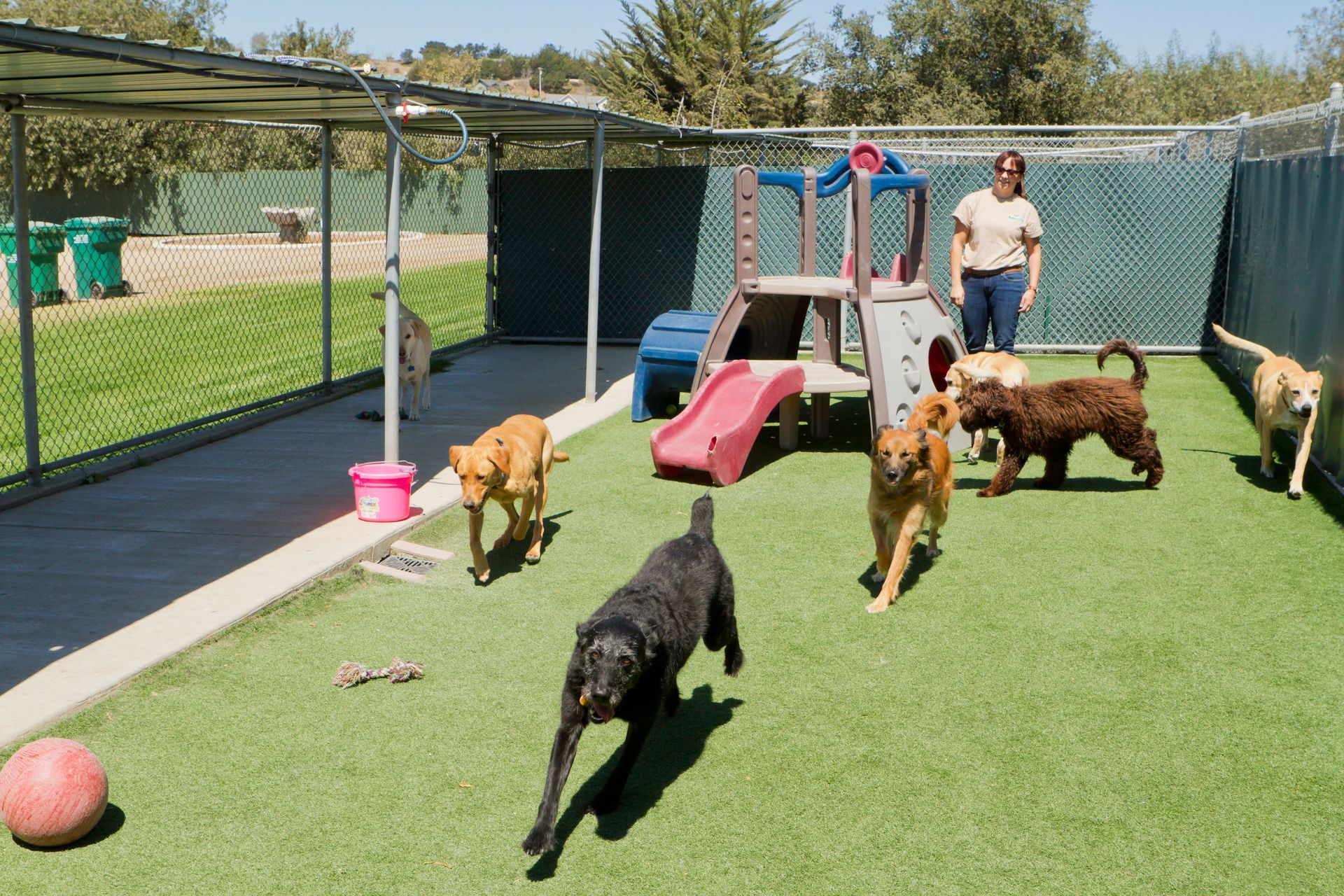
Selecting a pet boarding service offers companion animals a structured, secure environment designed specifically to meet their daily needs. Professional facilities employ trained staff members who maintain consistent schedules for feeding, exercise, and rest, which can provide immense stability for disciplined animals. Many location options exist within this category, ranging from traditional commercial kennels that focus on routine and safety to upscale resorts featuring private suites and daily playgroups. These specialized venues often feature physical security measures, continuous monitoring, and instant access to medical oversight should an emergency arise during the stay.
However, facility-based care carries distinct trade-offs that owners must weigh against its structural benefits. Being introduced to an unfamiliar venue with surrounding noise and foreign scents can cause temporary anxiety or behavioral changes in sensitive animals. Additionally, living in close proximity to other animals increases the inherent risk of exposure to minor contagious illnesses, even with strict vaccination standards in place. Premium accommodations and supplementary offerings like grooming or individual play sessions can also elevate total expenses. It is essential to weigh these expenses against your budget and your pet's comfort to determine the best choice. According to Mordor Intelligence, the pet boarding services market size is expected to reach USD 8.87 billion in 2026, reflecting growing demand and investment in the industry.
Investigating In-Home Professional Sitting
Choosing an in-home sitting arrangement allows your animal to remain in their natural environment, significantly reducing stress and anxiety. Sitters visit or stay at your residence to maintain existing routines, handle specific dietary guidelines, and provide dedicated one-on-one attention. This model is especially advantageous for elderly animals, young offspring, or companions with territorial anxiety who struggle when removed from familiar surroundings. Beyond animal supervision, in-home sitters frequently provide added residential security by gathering mail, alternating lights, and keeping the home occupied while you are away.
Despite its obvious personalized appeal, individual sitting presents specific logistical considerations that require careful management. Finding fully qualified, reliable caretakers can be challenging during peak travel seasons, and bringing an unfamiliar individual into your private residence requires thorough background verification. Animals staying at home also receive fewer total hours of active social interaction compared to dynamic group environments, which might not suit highly energetic companions. Furthermore, overall pricing for dedicated individual sitters often matches or exceeds standard facility rates depending on total visit length and specific house duties required.
Comparing Key Decision Factors
Determining whether a pet boarding service or an in-home sitter is appropriate begins with a deep assessment of your companion's personality and health requirements. Energetic, highly social animals often flourish in group settings where structured play and peer interaction are built into the daily agenda. Conversely, reactive, shy, or medically fragile animals usually experience far better outcomes when kept in their regular home routine without unfamiliar visual or auditory triggers. Age, chronic health conditions, and mobility restrictions should heavily influence your choice to ensure maximum physical safety.
Logistical elements such as trip duration, geographic availability, and verified client feedback also play a pivotal role in the decision-making process. Short trips might easily align with scheduled drop-in visits, whereas extended travel often warrants the round-the-clock professional supervision provided by structured facilities. Researching client testimonials, verifying proper licensing, and consulting your primary veterinarian offer valuable perspective on local service quality. Balancing your companion's physical comfort with practical travel requirements guarantees a smooth experience for both you and your animal.
Preparing Your Animal for Success
Ensuring a seamless stay at a pet boarding service involves detailed preparation long before your scheduled departure date. Arranging short trial visits or day-stay visits allows your companion to become comfortable with the facility's sights, staff, and routine in a low-stakes manner. Packing familiar items such as a favorite blanket, unwashed clothing carrying your scent, preferred toys, and regular daily food helps minimize digestive upset and emotional stress. Completing all required health checks and submitting up-to-date vaccination records well in advance prevents check-in delays and keeps the entire animal community safe.
Clear communication with care personnel is equally critical for establishing a safe, positive experience. Provide concise, written instructions detailing exact feeding measurements, precise medication schedules, and notable behavioral quirks or triggers. Supplying primary veterinary contact details and emergency contact authorizations ensures caretakers can respond immediately to any unexpected health changes. Maintaining reasonable check-in schedules via phone, message updates, or live webcam feeds offers ongoing clarity, allowing you to travel with complete confidence in your animal's well-being.
Selecting the Right Professional Provider
Conducting thorough interviews and reviewing professional credentials are critical initial steps when selecting an individual caretaker for your home. Verify candidate background checks, look for active affiliations with recognized professional care associations, and request verifiable references from previous clients. During the interview, ask detailed questions regarding emergency protocols, previous handling experience with your specific animal breed, and contingency plans if the sitter becomes ill. Evaluating how candidate responses align with your expectations ensures you engage an attentive, capable individual.
Arranging an introductory meet-and-greet in your home allows you to observe direct interactions between the candidate and your companion before finalizing any agreements. Watch closely to see if the caretaker demonstrates calm confidence and whether your animal responds with curious, comfortable body language. Take time to walk through the home together, pointing out food storage, medical supplies, leash locations, and potential safety hazards. Establishing detailed communication expectations, preferred daily update formats, and explicit care checklists creates total operational clarity, ensuring your companion receives flawless care throughout your absence.
Making the ultimate decision between structured facility care and individual in-home sitting requires balancing your animal's emotional needs with practical travel demands. Conducting short trial runs with either option provides valuable real-world feedback regarding how your companion adapts to the arrangement. Consulting your primary veterinarian offers additional expert guidance, as they can assess your animal's medical history and stress tolerance to recommend the safest path forward. Choosing a care model that supports your companion's mental and physical health transforms your travel experience from a source of worry into a stress-free journey.
When you require exceptional care, choosing a recognized
pet boarding service guarantees your companion receives top-tier attention, professional oversight, and an engaging environment while you are away. At Sam's Green Paw, our dedicated team prioritizes animal safety, tailored routines, and total emotional comfort to give pet owners complete peace of mind. Explore our specialized accommodations and premium care packages today by reaching out to our friendly staff or visiting our facility to schedule a personalized tour.